

Case study
Mother's success story
Smart Mobility B2B SaaS
Founded in 2017, Madrid
Startup

Problem
A strategy on autopilot
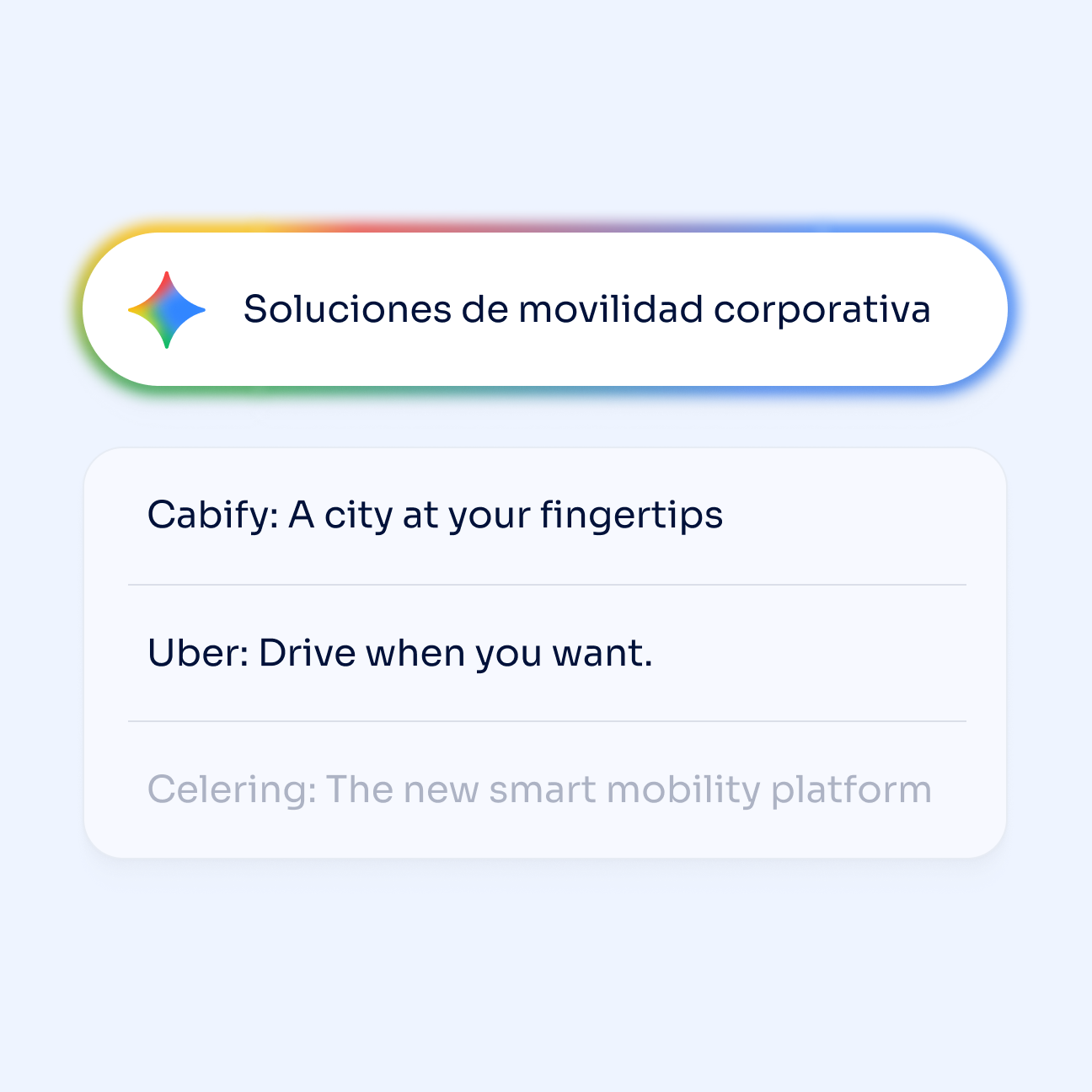
Celering had a solid corporate mobility solution, but its growth was not supported by a clear go-to-market strategy.
There was a presence across different channels, but it was fragmented: some organic traffic, one-off campaigns, participation in events… with no real connection between them or a common focus.
This created a situation typical of growth phases:
- limited visibility in strategic searches
- inconsistent acquisition dependent on existing demand
- marketing actions isolated from one another
- difficulty in communicating the value of the solution in a specific way
In practice, this translated into something very specific:
Celering had a presence, but it was not generating demand in a structured way.

Diagnosis
Without a clear direction
The analysis confirmed that the problem was not the channels, but the approach.
There was no defined Go-To-Market strategy to organize:
- which type of companies to target
- how to prioritize them
- which message to use in each case
- or how to connect all actions into a coherent system
In terms of acquisition, the model was focused on capturing existing demand rather than actively generating it.
Furthermore, the funnel was not fully structured:
- SEO, paid, events, and PR were operating as independent initiatives
- there was no clear full-funnel architecture
- nor was there any real measurement of business impact
This meant that:
- traffic grew in an unstrategic way
- campaigns failed to scale
- and effort did not consistently translate into opportunities
A change in approach was necessary.
It wasn't about doing more marketing, but about building a demand generation system.

.png)
Solution
A revenue plan in motion
A comprehensive brand and product strategy was designed and implemented, connecting strategy, execution, and measurement within a single system.
The goal was not to optimize channels, but to make them all work in coordination within the funnel.
Defining the strategic foundation
The first step was to organize the audience and the message.
A clear focus on the corporate segment was defined, identifying:
- the ideal customer profile
- the different roles involved in the decision-making process
- and the specific pain points of each type of company
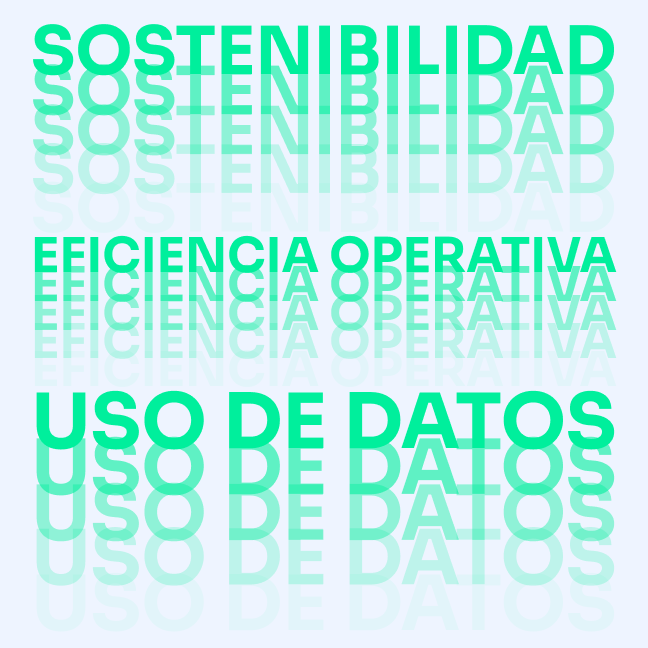
From there, a tailored value proposition was built, focusing on:
- operational efficiency
- sustainability
- data usage
This allowed us to move past generic messaging and start communicating with relevance.

Activation of a full-funnel system
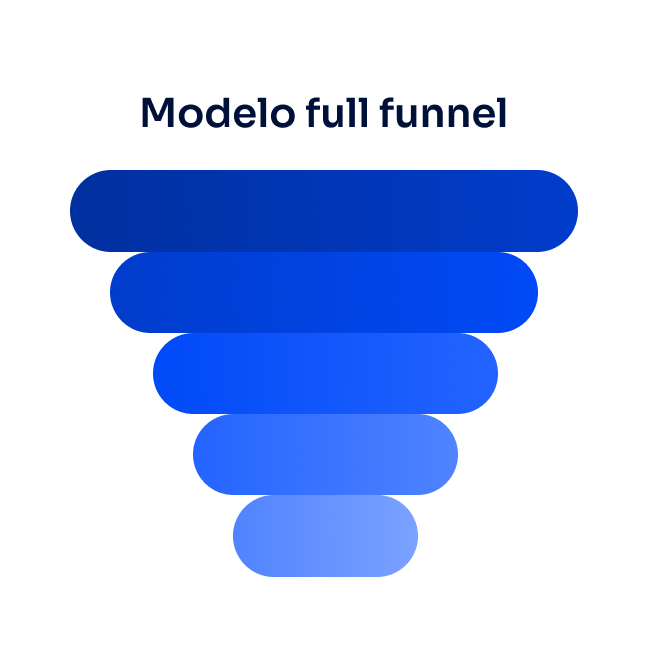
With the foundation defined, all acquisition was reorganized under a full-funnel logic.
The model evolved into three layers:
- Awareness
Video campaigns and content focused on real customer pain points were activated, generating visibility among qualified audiences. - Consideration
Valuable assets such as whitepapers, downloadable content, and ROI calculators were developed, accompanied by specific campaigns and native forms. - Conversion
Landing pages and campaigns focused on direct acquisition were optimized, connecting interest with action.
Additionally, segmentation by industry (pharma, banking, logistics) and context (industrial estates and peripheral areas) was introduced, allowing the message to be tailored to each case.
SEO and content as a demand driver
In parallel, a content strategy focused on real intent was built.
In parallel, the blog was strengthened with content focused on real search intent, particularly regarding:
- corporate transport
- cost reduction
- comparisons and service evaluation
- mobility and efficiency
This helped improve rankings for strategic keywords and establish a stable acquisition channel.
The result was gradual, but clear:
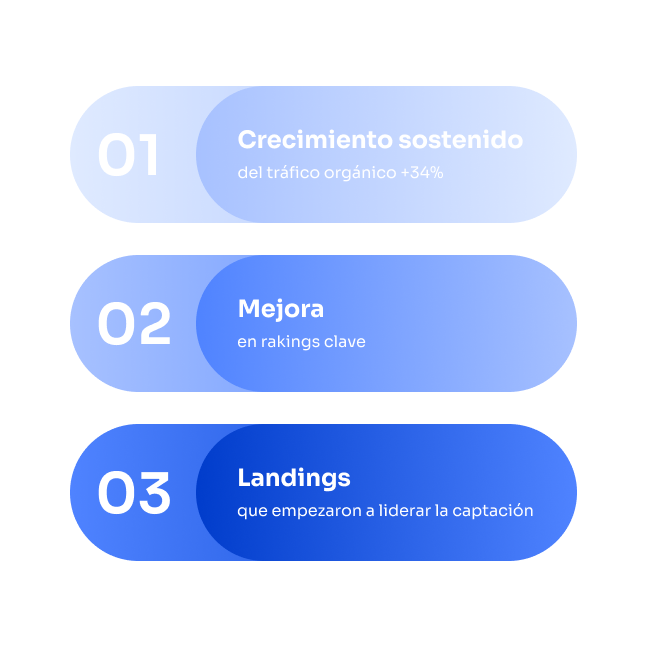
- sustained growth in organic traffic (+34%)
- improvement in key rankings
- landing pages that began to lead lead generation
Content stopped being just support and became one of the main drivers of qualified traffic.
Paid media to generate and accelerate demand
A paid media strategy was deployed that evolved in two phases.
First, campaigns aimed at capturing existing demand (Google Ads for brand, core keywords, and competitors).
Next, a complete restructuring toward a full-funnel model, combining:
- awareness campaigns
- LinkedIn activation with qualified audiences
- creative content based on real pain points
This allowed us to move from sporadic lead generation to a system capable of actively generating demand.
PR, events, and industry positioning
The go-to-market strategy extended beyond the digital environment.
An industry presence strategy was activated based on:
- proprietary events
- participation in key trade shows (HR Evolution, UITP, Smart City Expo, Global Mobility Call…)
webinars and collaborations
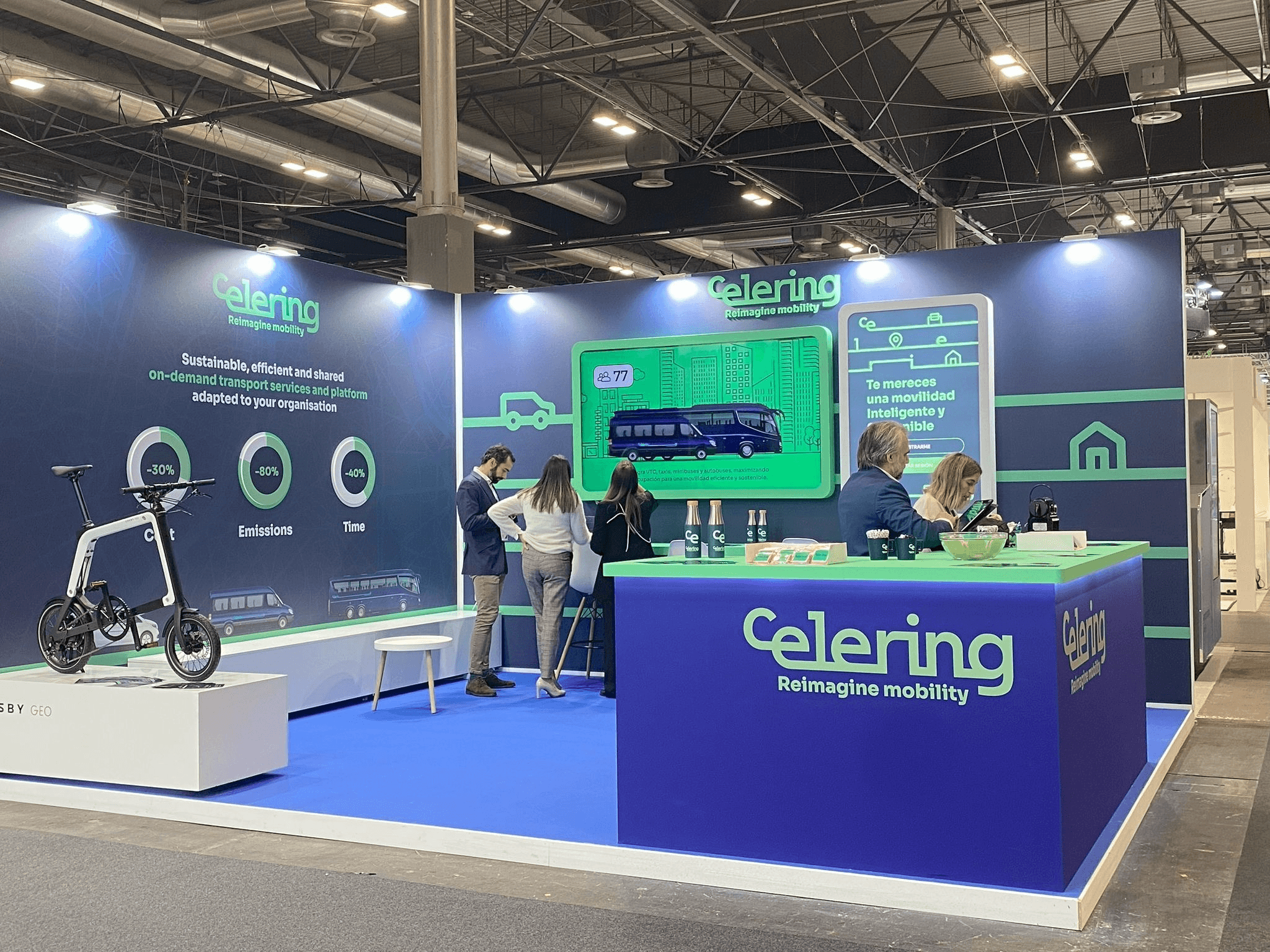
This generated:
- qualified visibility
- positioning as a benchmark
- direct access to decision-makers
In parallel, the brand began to appear organically in industry conversations, reinforcing its credibility.
Building a measurable and scalable system through HubSpot
The entire ecosystem was supported by a solid technical foundation:
- implementation of full-funnel tracking (web + CRM)
- event configuration and measurement
- connection between campaigns, content, and acquisition
This allowed for:
- understand what was working
- optimize the funnel
- and scale strategically
Results
The combination of all these elements allowed for a complete transformation of Celering's Go-To-Market strategy.
Marketing evolved from a set of actions into a structured system capable of:
- actively generate demand
- capture qualified traffic
- position the brand in the sector
- and contribute directly to the pipeline
With a real impact on:
- traffic growth
- growth in qualified leads
- opportunity generation
- and brand positioning consolidation
Results
The results achieved
+34%
annual organic traffic
64%
increase in qualified leads
351
inbound leads generated
€244,450
in potential pipeline
196
leads captured at events
37
industry mentions
“Extandard helped us organize something that had been operating in silos for a long time. We went from having disconnected initiatives to a strategy capable of generating demand, measuring its impact, and converting it into real opportunities.”
Arnold Camus, Marketing Manager at Mother's Success
Other success stories
See all


